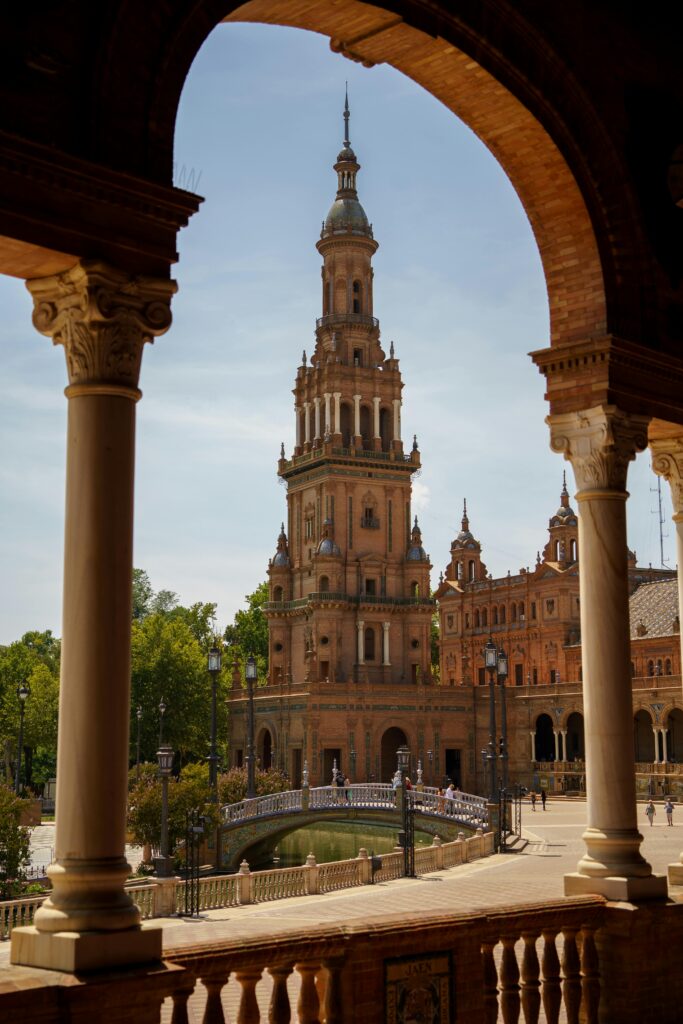
Plaza de España is a famous landmark in Seville, located within the beautiful Parque de María Luisa. Designed by architect Aníbal González, it was constructed for the Ibero-American Exposition of 1929. The square features a stunning semicircular building, adorned with ceramic tiles representing Spain’s provinces. Its picturesque canal and bridges make it a popular attraction for both locals and tourists.
History and Significance of Plaza de España
The Plaza de España holds a significant place in the architectural and cultural history of Seville. Its majestic design and historical narrative render it a remarkable example of regional architecture.
Origins and Construction
The Role of the Ibero-American Exposition
Commissioned for the Ibero-American Exposition of 1929, the plaza served as a showcase for Spanish industrial and cultural achievements. This event aimed to enhance Spain’s relationships with its former colonies in Latin America. The exhibition transformed the surrounding area into a vibrant cultural hub.
Architect Anibal Gonzalez’s Vision
Architect Anibal Gonzalez was instrumental in the plaza’s design, integrating various architectural styles to create a coherent and captivating space. His vision combined traditional Spanish elements with modern design, reflecting the spirit of the era and the cultural ties to Latin America.
Symbolism in Design
Renaissance Revival and Moorish Influences
The architectural style of Plaza de España is characterised by its Renaissance Revival elements merged with Moorish influences. This blend captures the rich history of Spain’s past, resulting in intricate details that celebrate both its Christian and Islamic heritage.
The Canal and Vicente Traver Fountain
Water features prominently in the plaza’s design, symbolising life and connectivity. The canal, which winds through the plaza, serves as both a practical element and a scenic feature, complemented by the stunning Vicente Traver Fountain, reinforcing the importance of water in Spanish culture.
Architectural Features of Plaza de España
The architectural features of this iconic plaza showcase a blend of traditional and modern styles, reflecting the diverse cultural heritage of Spain. Its design elements and structural details contribute significantly to its charm and appeal.
The Semicircular Building
The semicircular structure of the Plaza de España is a remarkable element that defines its shape and function. This expansive building serves as a backdrop to the plaza, creating a harmonious environment that draws visitors in.
Alcoves Along the Square
Along the curved building, numerous alcoves provide individual spaces for each Spanish province. These alcoves are adorned with intricate mosaics depicting historical events and cultural symbols, offering insight into the rich heritage of each region.
Decorations and Ceramic Tiles
Richly decorated with approximately 7,000 ceramic tiles, the plaza’s design utilises bright colours and patterns. These tiles not only enhance the visual appeal but also celebrate the craftsmanship of traditional Spanish ceramics, further adding to the plaza’s identity.
The Towers and Bridges
The two grand towers at either end of the plaza rise high above, creating a dramatic skyline. Each tower boasts unique architectural details that exemplify the Renaissance Revival style, further emphasising the plaza’s grandeur.
Significance of the Four Bridges
Four picturesque bridges cross the canal, each symbolising the historic kingdoms of Spain: Castile, León, Aragon, and Navarra. These bridges enhance the flow of movement throughout the plaza, seamlessly connecting various areas and inviting exploration.
The Towers’ Architectural Style
The towers reflect a blend of influences, predominantly showcasing the Mudéjar style, characterised by its ornate brickwork and detailed tile mosaics. This distinctive architectural approach contributes to the overall aesthetic and cultural significance of the plaza.
Visiting Plaza de España
Exploring this stunning landmark provides an enriching experience. Visitors can enjoy its architectural splendour while taking advantage of the various amenities and activities available on-site.
Accessibility and Amenities
Ticket Information and Entrance
Access to Plaza de España is free, allowing everyone to appreciate its majestic beauty without a ticket. There are well-maintained pathways and signs throughout to guide visitors as they explore the area. This accessibility enhances the experience for individuals of all ages.
Facilities and Services Available
Multiple amenities are offered to ensure a pleasant visit. Public restrooms are conveniently located. Additionally, there are designated areas for visitors to sit and relax. Various kiosks may provide refreshments, further enhancing one’s time spent in this picturesque location.
Activities and Attractions
Boating on the Canal
A unique way to appreciate the plaza’s beauty is by renting a small boat to explore the tranquil canal that winds through the area. The experience offers a different perspective and is particularly delightful on sunny days.
Events and Cultural Activities
The plaza frequently hosts cultural events and performances, enriching the visitor experience. These activities can include local music sessions, art exhibitions, and traditional dance performances, which reflect the vibrant culture of Seville.
Plaza de España in Popular Culture
The influence of Plaza de España extends beyond its stunning architecture, making notable appearances across various media that highlight its unique charm and beauty.
Film and TV Appearances
This iconic location has been featured in numerous films and television series, showcasing its appeal to filmmakers and audiences alike.
The Star Wars Connection
One of the most famous portrayals of Plaza de España is its use as a backdrop in “Star Wars: Episode II – Attack of the Clones.” The plaza served as the fictional planet of Naboo, capturing the imagination of fans around the globe. This cinematic depiction has significantly enhanced the plaza’s recognition.
Other Notable Films and Series
- “Lawrence of Arabia” includes striking scenes set against the plaza, contributing to its historical allure.
- Various music videos and television programmes have also featured the site, further embedding it in popular culture.
Its Impact on Tourism
The prominence of Plaza de España in popular media has played a critical role in attracting tourism to Seville.
Boost to Seville City Tourism
The cinematic representation of this landmark has resulted in a notable increase in visitors. Tourists are drawn not only by its architectural beauty but also by its connections to film history.
Plaza de España as a Cinematic Destination
This allure has transformed Plaza de España into a must-visit location for film enthusiasts. Many travel specifically to experience the settings of their favourite movies, intertwining cinematic heritage with cultural exploration.
Integration with the Surroundings
The area surrounding the Plaza de España is just as captivating as the monument itself. Nestled within the vibrant city of Seville, it is complemented by lush parks and historical attractions.
Maria Luisa Park
This expansive green space serves as a serene backdrop to the Plaza de España. Originally part of the 1929 Ibero-American Exposition, the park has a rich history and encompasses various gardens, fountains, and pathways.
History and Features of the Park
Maria Luisa Park dates back to the early 19th century when it was developed from the grounds of the San Telmo Palace. Today, it boasts numerous exotic plants, tranquil ponds, and interesting architectural features, making it an ideal spot for relaxation and enjoyment.
Relationship with Plaza de España
The park seamlessly integrates with the Plaza de España, enhancing its grandeur. Visitors often stroll through the park’s shaded pathways before and after exploring the plaza, creating a pleasant transition between these two iconic locations.
Nearby Attractions
Several noteworthy sites are within easy reach of the Plaza de España, adding to the cultural experience of the area. These attractions are steeped in history and showcase the richness of Seville.
The Real Alcazar and Seville Cathedral
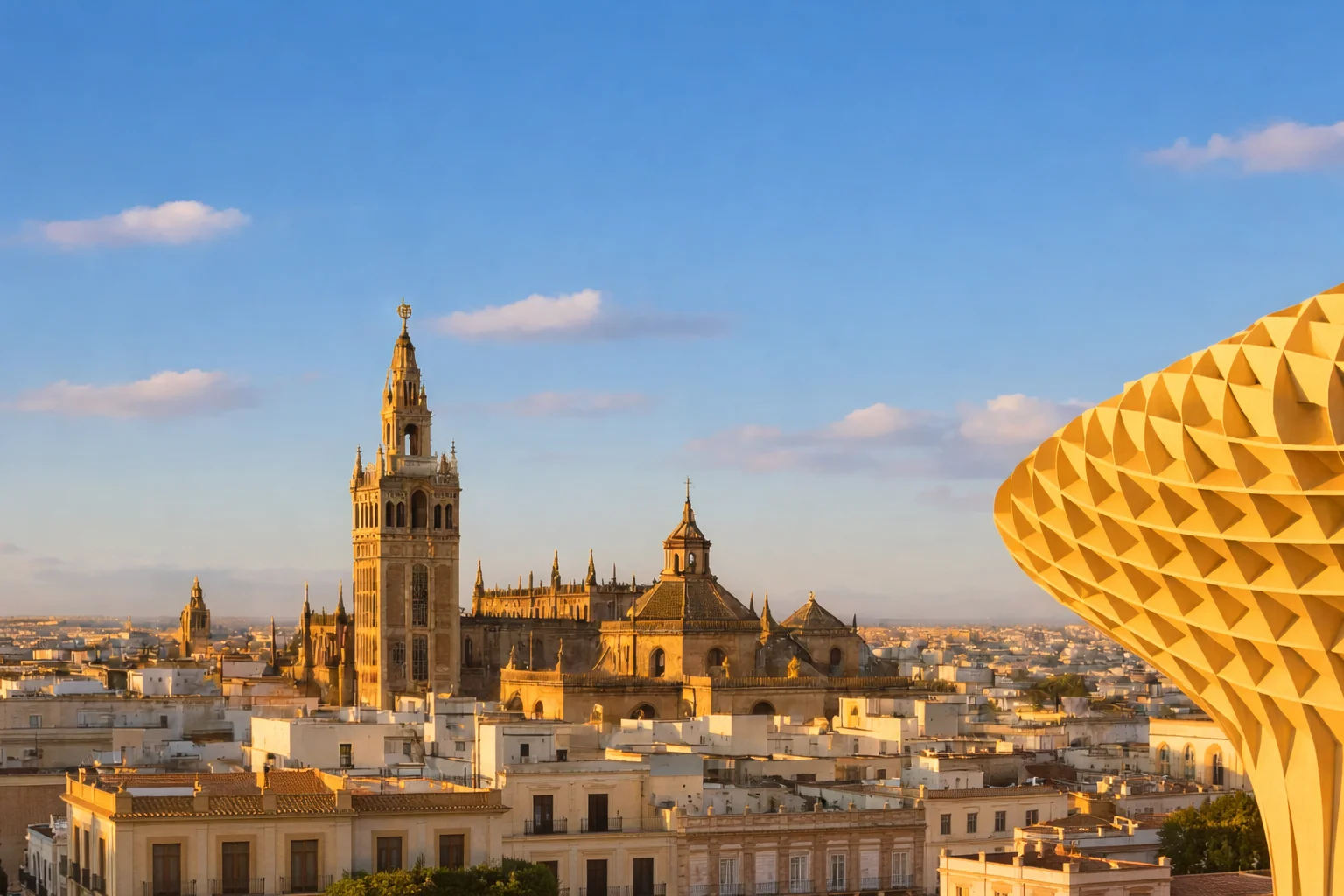
Situated not far from the plaza, the Real Alcazar is a stunning royal palace renowned for its exquisite architecture and lush gardens. Equally impressive is the Seville Cathedral, an iconic masterpiece that houses the tomb of Christopher Columbus.
Archaeological Museum and Fine Arts Museum
Art and history enthusiasts will find the Archaeological Museum and the Fine Arts Museum appealing. These institutions are home to remarkable collections that showcase Seville’s artistic and cultural legacy.