Las Uvas on New Year’s Eve: Spain’s Lucky Midnight Tradition
Las uvas on New Year’s Eve is one of the most distinctive and well-known traditions in Spain. Every December 31st, people across the country welcome the new year by eating grapes at midnight, a simple ritual filled with symbolism, excitement and shared celebration.
This tradition, known in Spanish as las uvas, is followed by people of all ages and remains an essential part of New Year’s Eve celebrations throughout Spain.
What are las uvas?
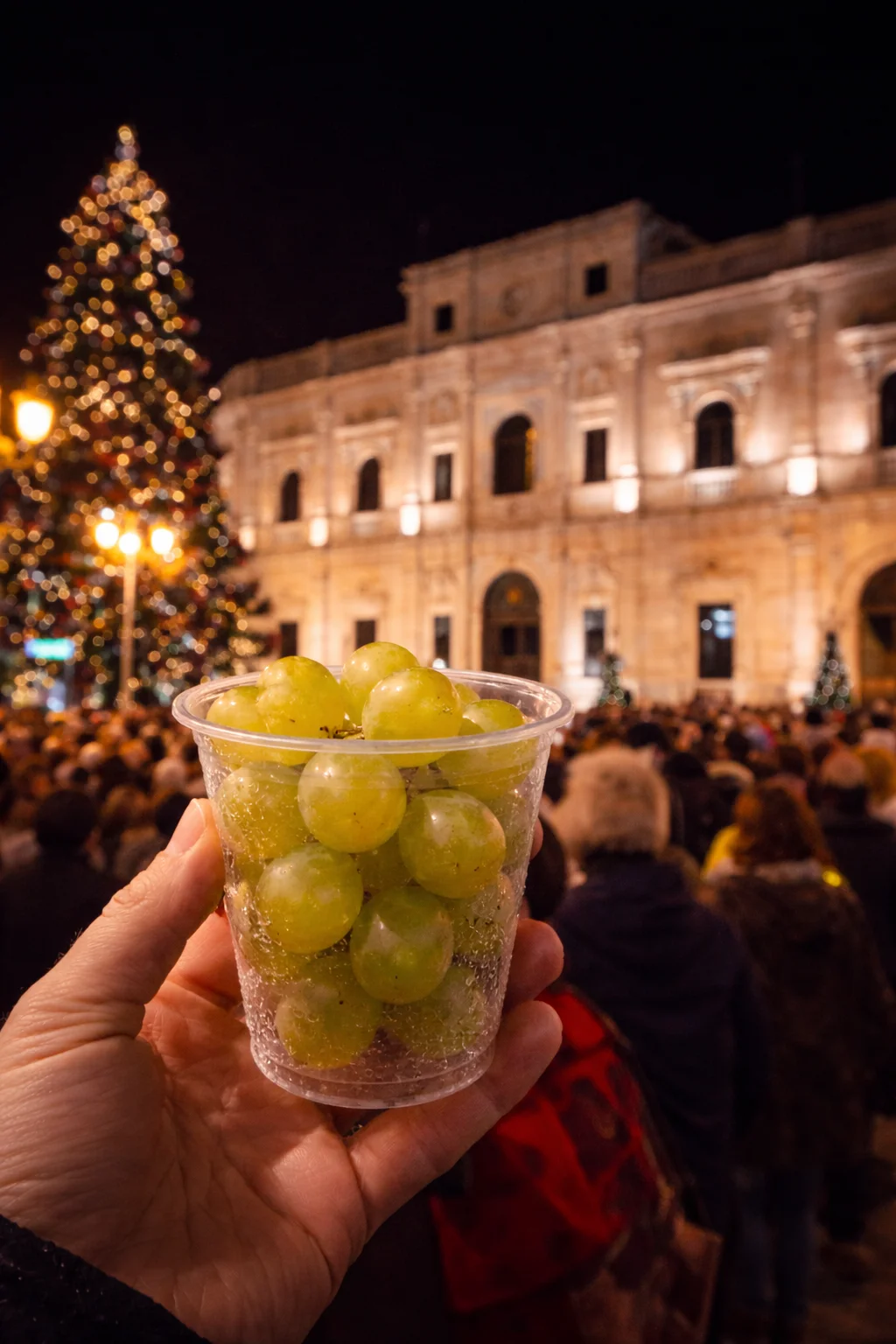
Las uvas on New Year’s Eve consist of eating twelve grapes, one with each of the twelve chimes of the clock at midnight. Each grape represents one month of the year ahead, and managing to eat all of them in time is believed to bring good luck, happiness and prosperity.
Although the idea sounds simple, keeping up with the rhythm of the clock can be surprisingly difficult, especially during the final seconds before midnight, when excitement fills the air.
Where does the tradition come from?
The origin of las uvas dates back to the early 20th century. According to popular belief, the tradition began as a response to an excess grape harvest. Over time, it spread throughout Spain and became firmly established as a New Year’s Eve custom.
Today, the most famous place to experience this moment is Puerta del Sol in Madrid, where thousands of people gather every year to follow the clock chimes live. However, the tradition is widely celebrated all over the country, both at home and in public spaces.
New Year’s Eve in Seville
In Seville, people traditionally gather in Plaza Nueva, located in the city centre and home to the City Hall of Seville. On New Year’s Eve, locals and visitors come together there to eat the grapes at midnight in a festive and friendly atmosphere, sharing the moment with family, friends and fellow celebrants.
This public celebration reflects the open and social character of the city and offers a genuine insight into how traditions are lived and shared in everyday life.
Learning Spanish through traditions
For students of Spanish, traditions like las uvas new year’s eve offer much more than cultural curiosity. They provide a window into social habits, shared values and the rhythm of life in Spain.
At Giralda In&Out (➡️ Our courses), we believe that learning Spanish also means understanding how people celebrate, come together and experience meaningful moments. Exploring traditions such as las uvas helps students connect language with real cultural contexts and makes the learning process more engaging and memorable.
A shared moment to welcome the new year
Whether celebrated in a crowded square or at home with loved ones, eating the grapes at midnight is a moment full of anticipation and hope. It is a simple yet powerful tradition that perfectly reflects the Spanish way of welcoming the new year: together, joyfully and with optimism.