Learning ser and estar is not about memorising rules
You truly understand the difference when you start using Spanish in real-life situations: in class, in conversation, and in the street.
At Giralda In&Out, we see it every day: you may know the theory, but real understanding comes when you actually use the language.
What matters is not knowing the rule, but using Spanish naturally.
The key difference
- SER → what something or someone is (identity)
- ESTAR → how something is at a specific moment (state)
This is not just about “permanent vs temporary”, but about identity and state.
Real example
Compare English and Spanish:
- The Giralda is impressive → La Giralda es impresionante
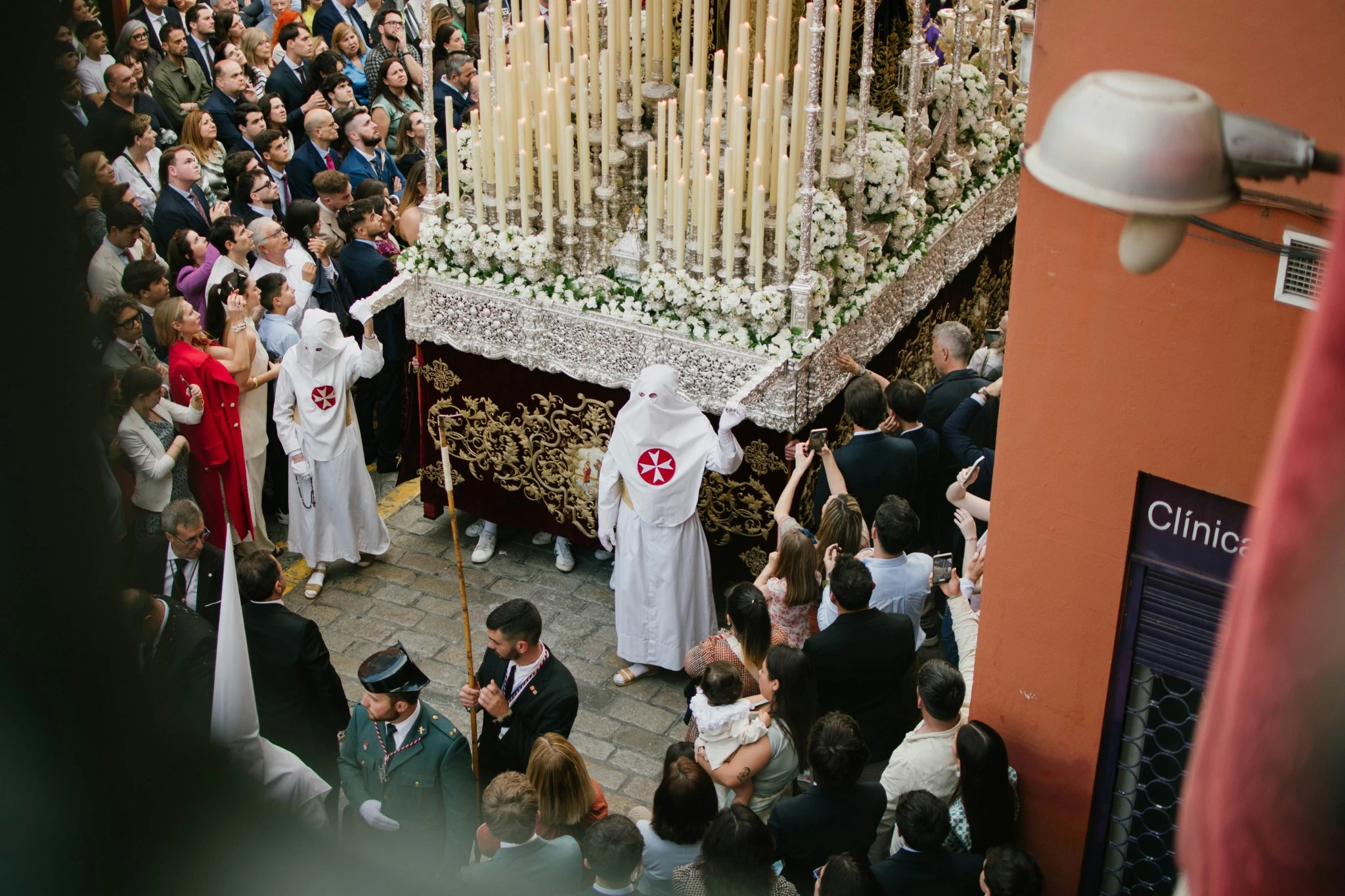
- The Giralda is lit up tonight → La Giralda está iluminada esta noche
- Seville is a historic city → Sevilla es una ciudad histórica
- Seville is full of people → Sevilla está llena de gente
- The teacher is clear → El profesor es claro
- Today the teacher is tired → Hoy el profesor está cansado
Common mistakes (and how to fix them)
- ❌ Soy cansado → ✔️ Estoy cansado
- ❌ Está difícil → ✔️ Es difícil
- ❌ Es cerrado → ✔️ Está cerrado
Watch out: meaning changes
- Es aburrido → personality
- Está aburrido → state
- Es bueno → quality
- Está bueno → taste or appearance
Practice
Complete in Spanish:
Este ejercicio ___ fácil
Sevilla ___ muy animada hoy
El curso ___ interesante
Los estudiantes ___ cansados
Hoy es ___ 2 de mayo
Learn it for real
You don’t fully learn this with theory alone. You learn it by using Spanish in real situations.
Because what you learn in class, you use that same day.